Art, Engineering, and the Myth of Perfection
My work begins with a desire for control. Trained in engineering, I learned to value precision, efficiency, and predictability, approaching problems as systems that could be measured and resolved. Over time, this logic extended beyond technical spaces into how I understood my own body and daily experience. I became interested in structure not only as a tool, but as a way to create stability and organize uncertainty into something legible and contained. Yet this reliance on order also revealed its limits. Systems that aim for total control often become fragile, unable to respond to variation or change. My work develops from this tension, where the impulse to impose structure meets the reality of instability, and where control shifts from something fixed into something negotiated.
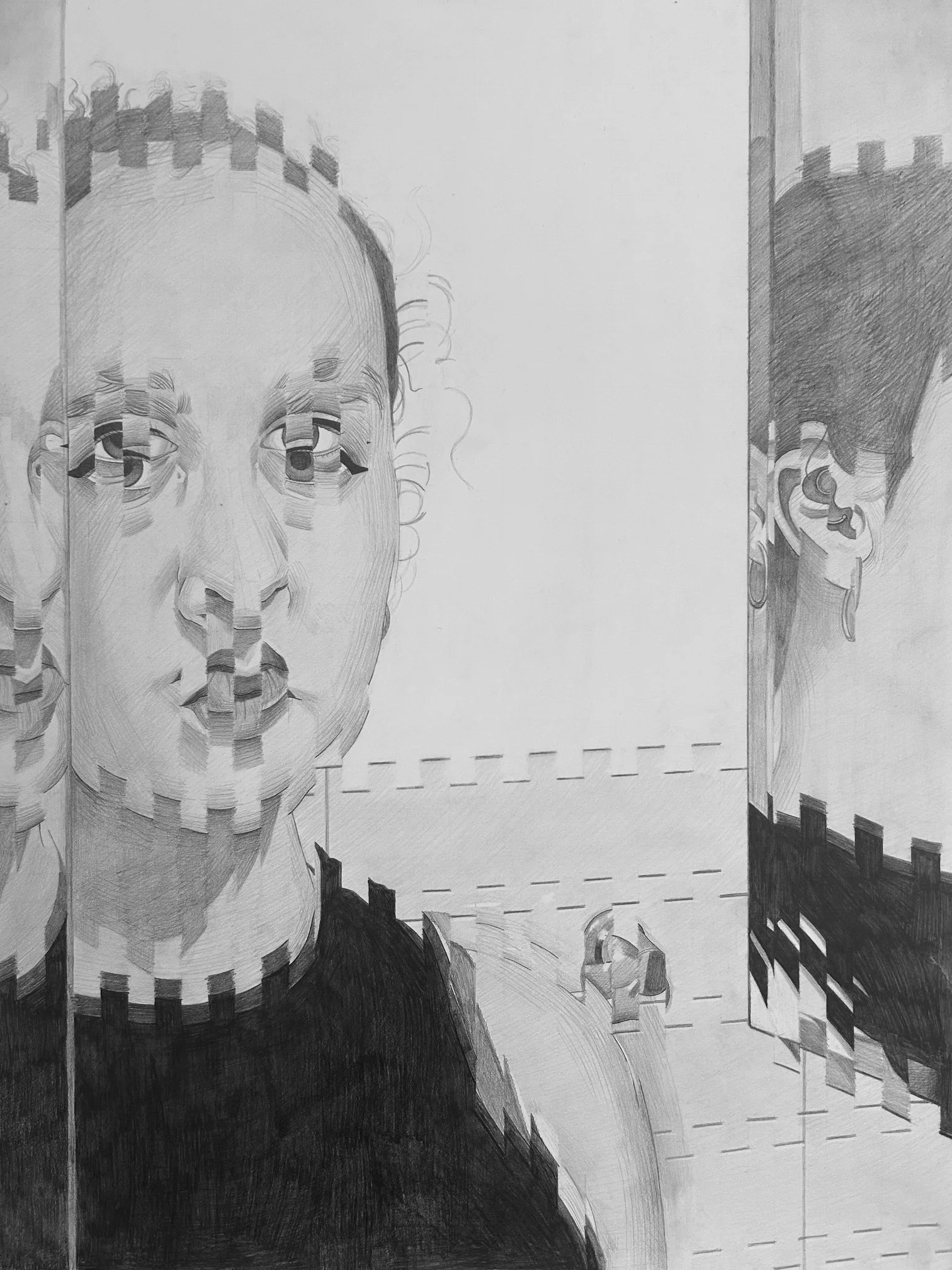
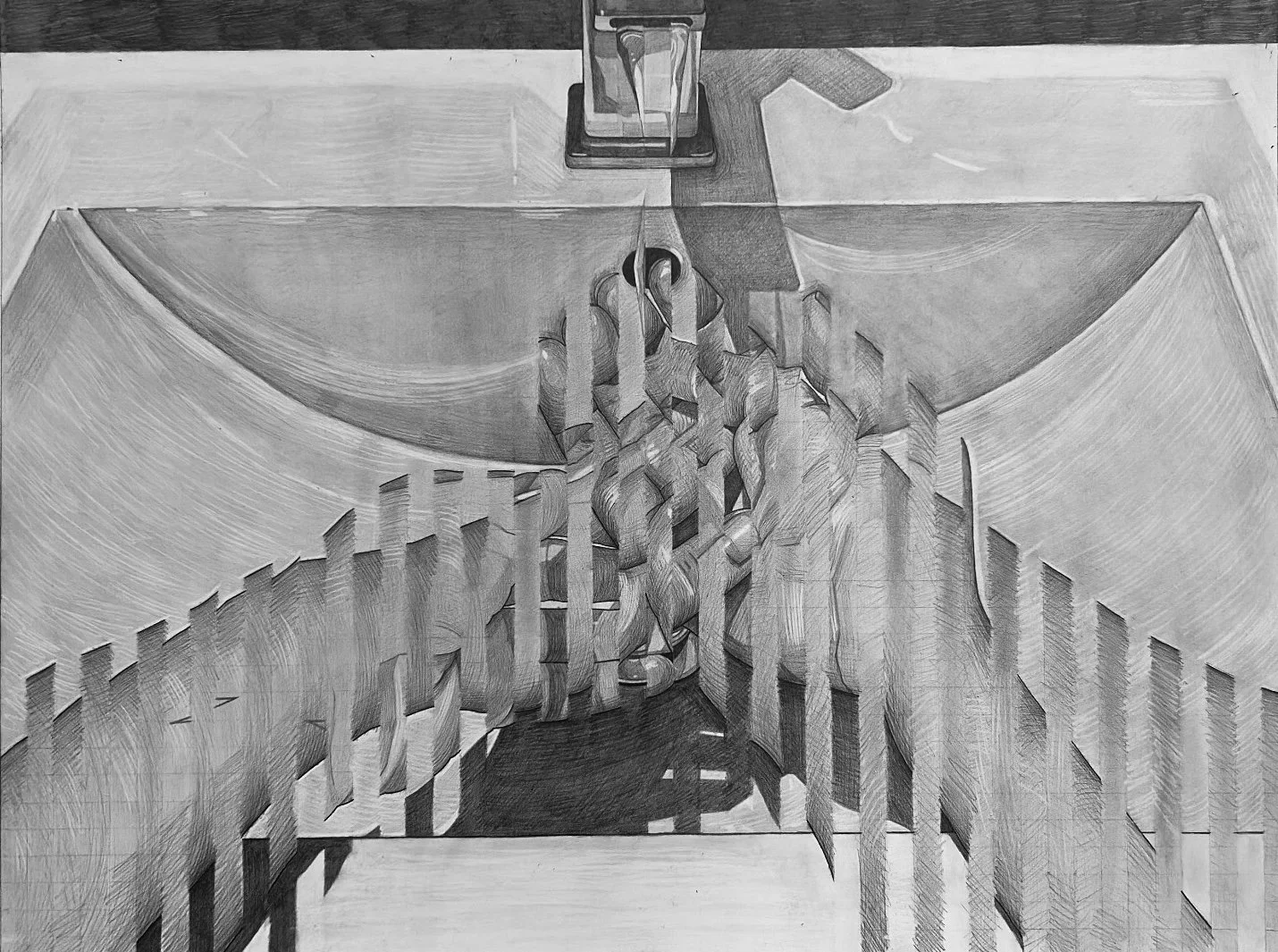
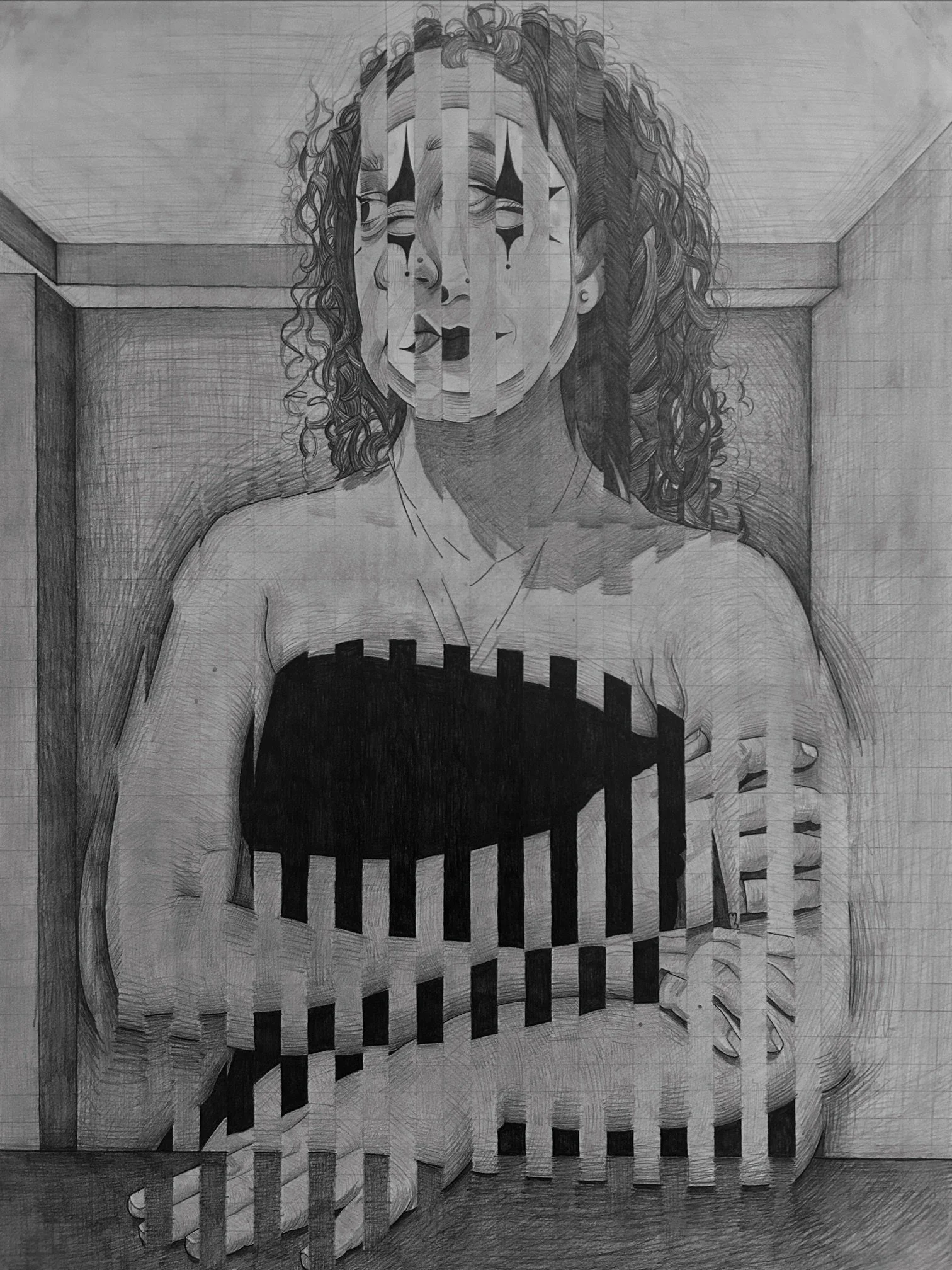
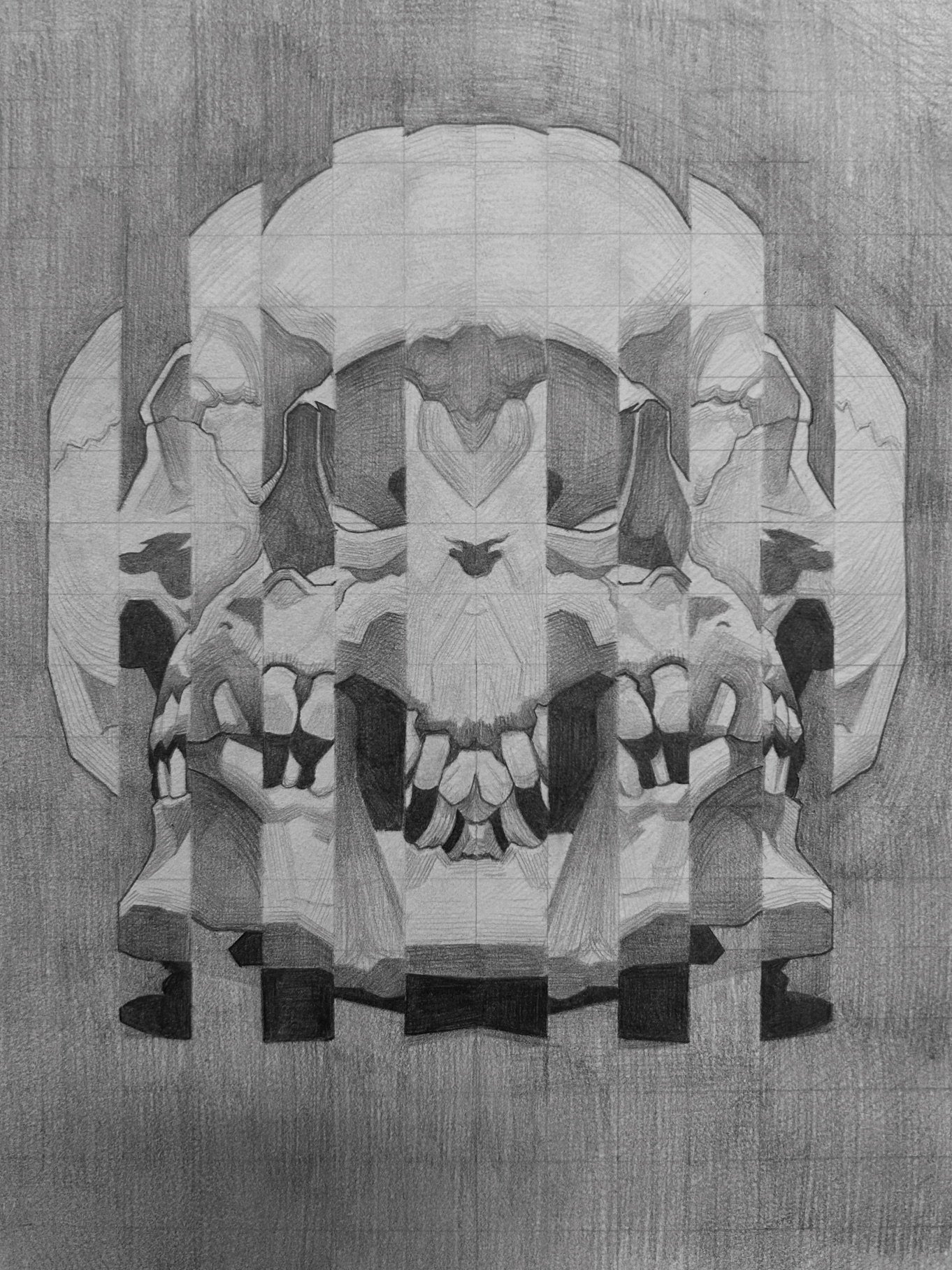
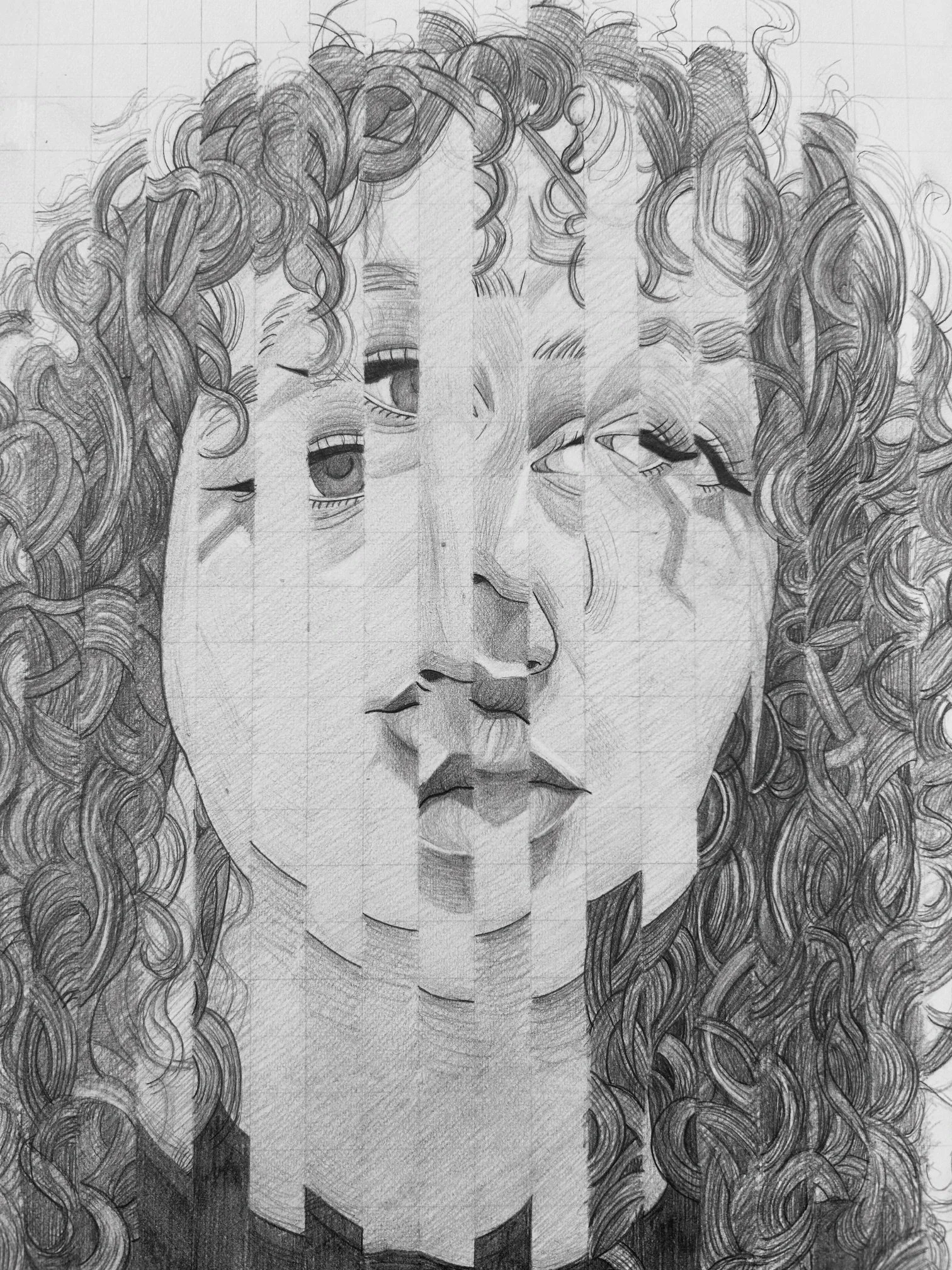
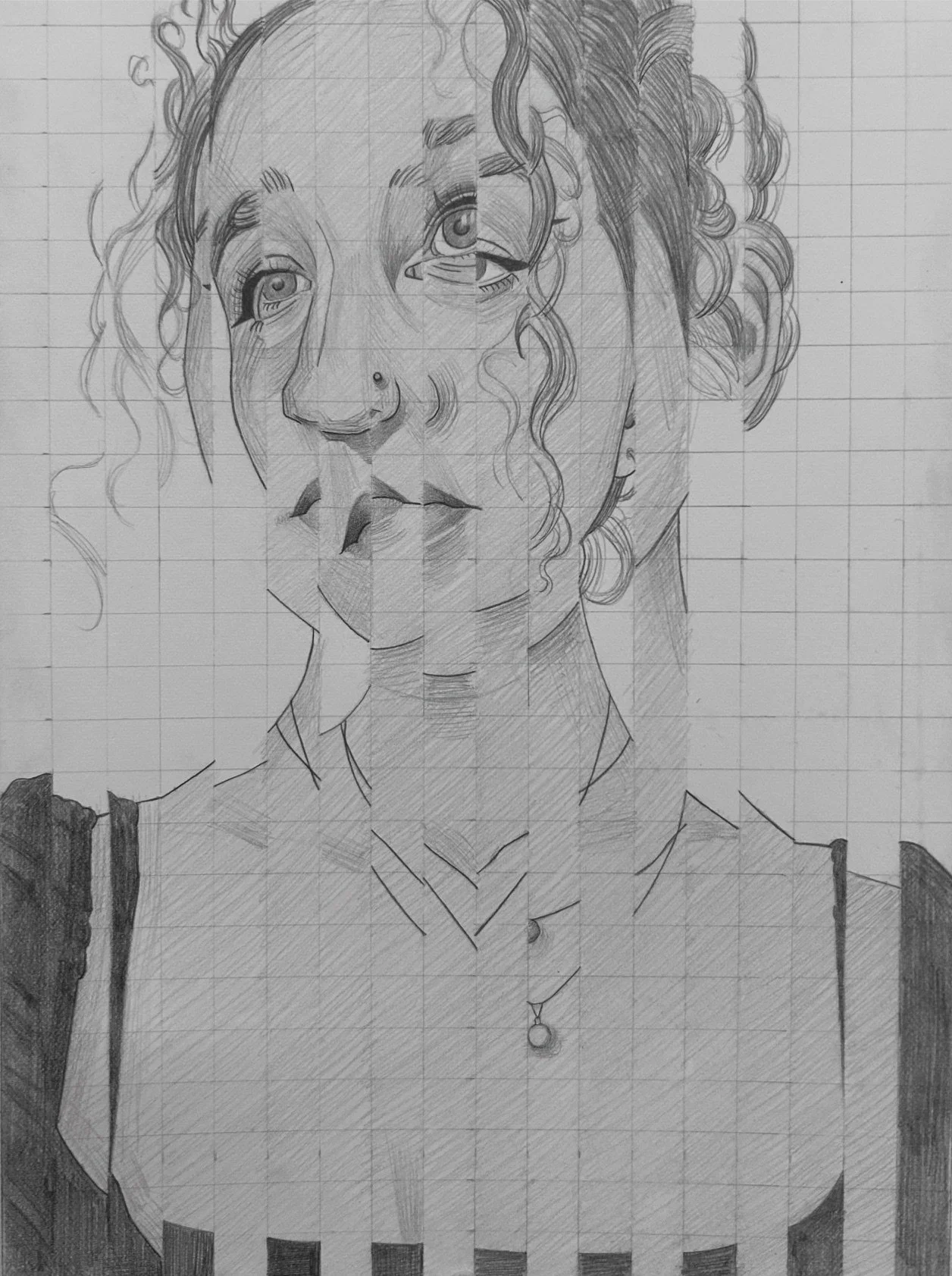
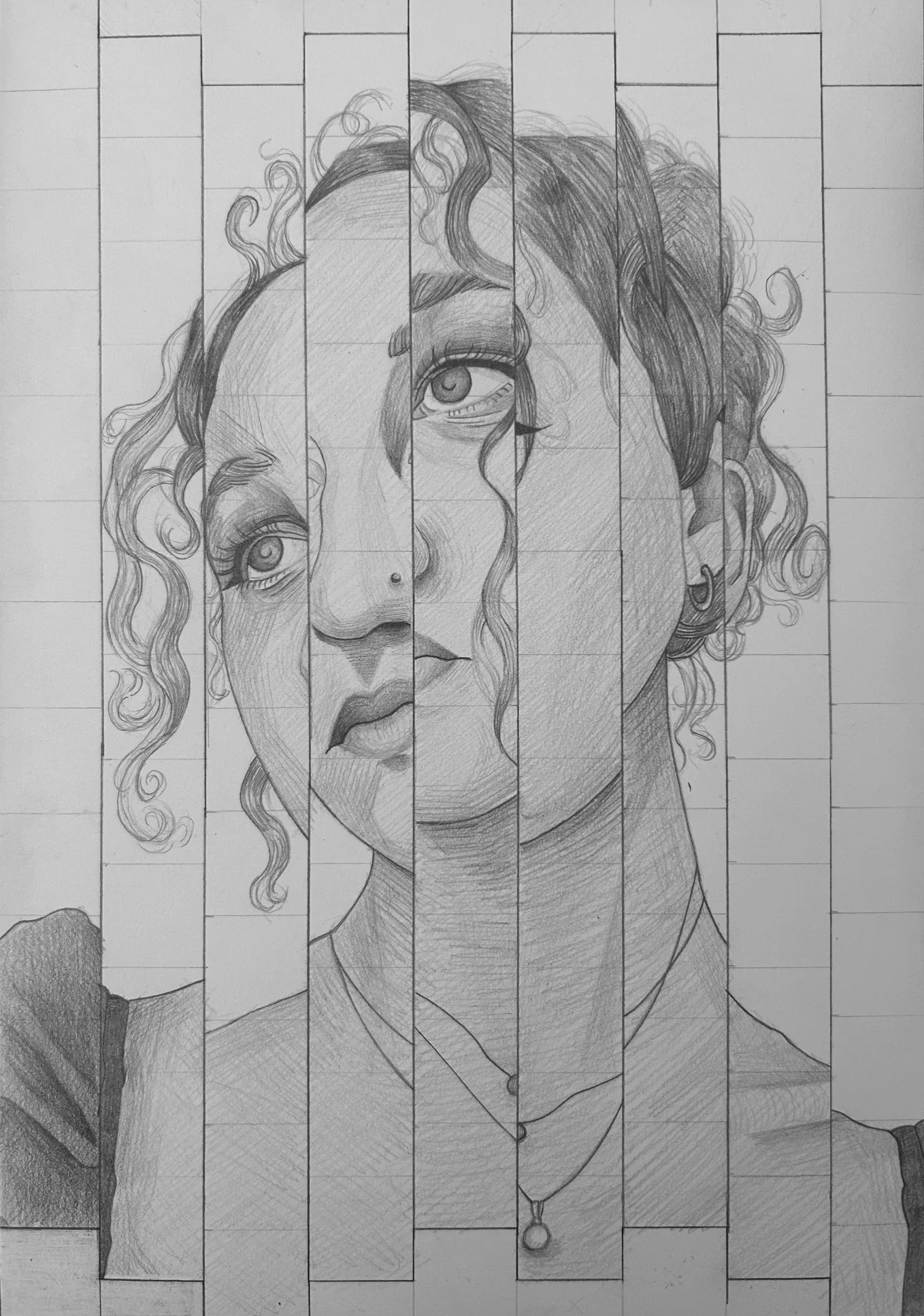
My practice engages with ideas that question the separation of mind and body, using systems as both framework and point of departure. I am drawn to grids, repetition, and rule-based processes because they suggest clarity and logic, but I am equally interested in the ways these systems fail, shift, or produce unexpected results. Rather than treating precision as an endpoint, I approach it as a condition that generates variation. Control, in this sense, is never absolute; it depends on responsiveness and openness to outcomes that cannot be fully predicted in advance.
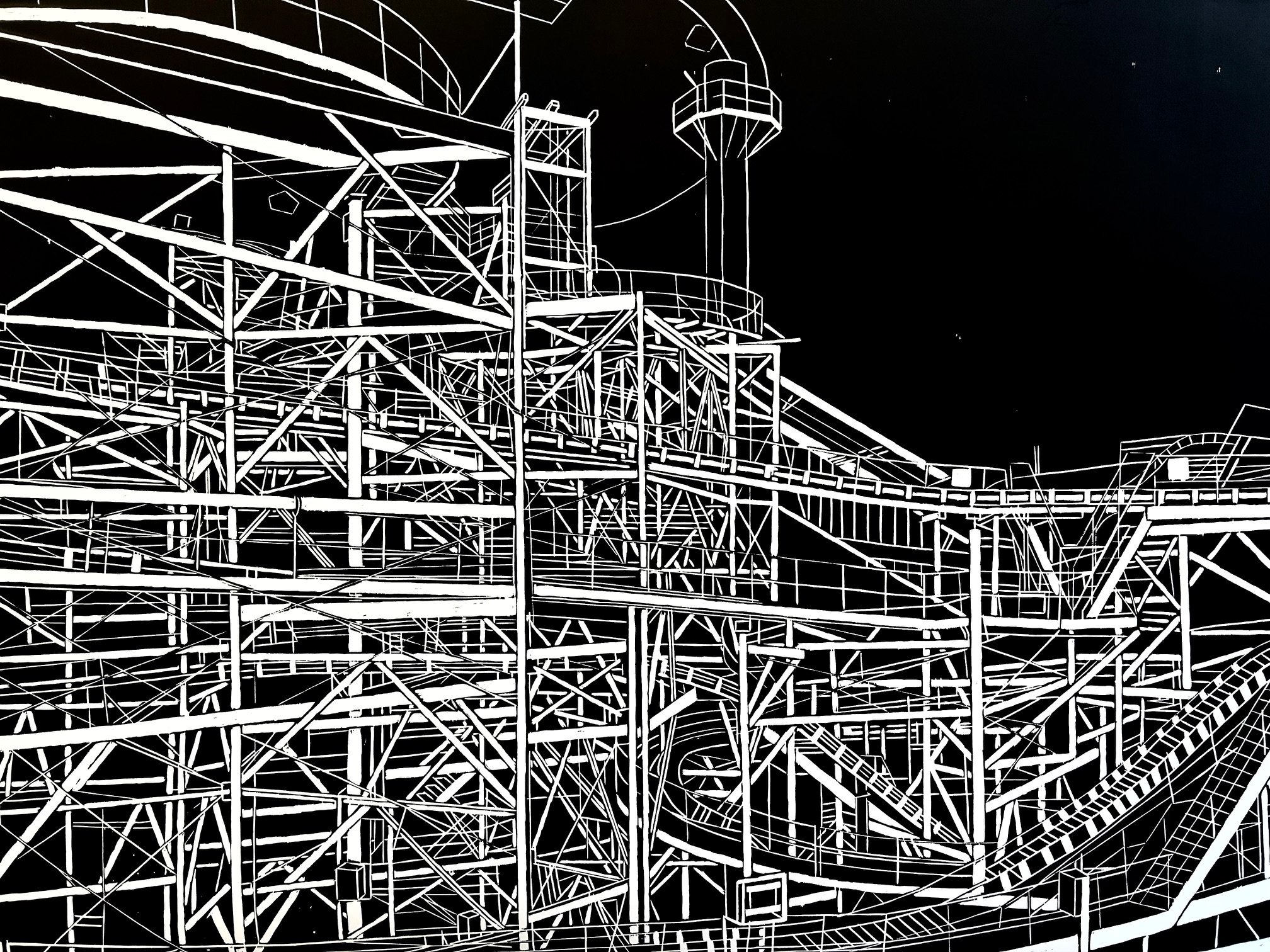
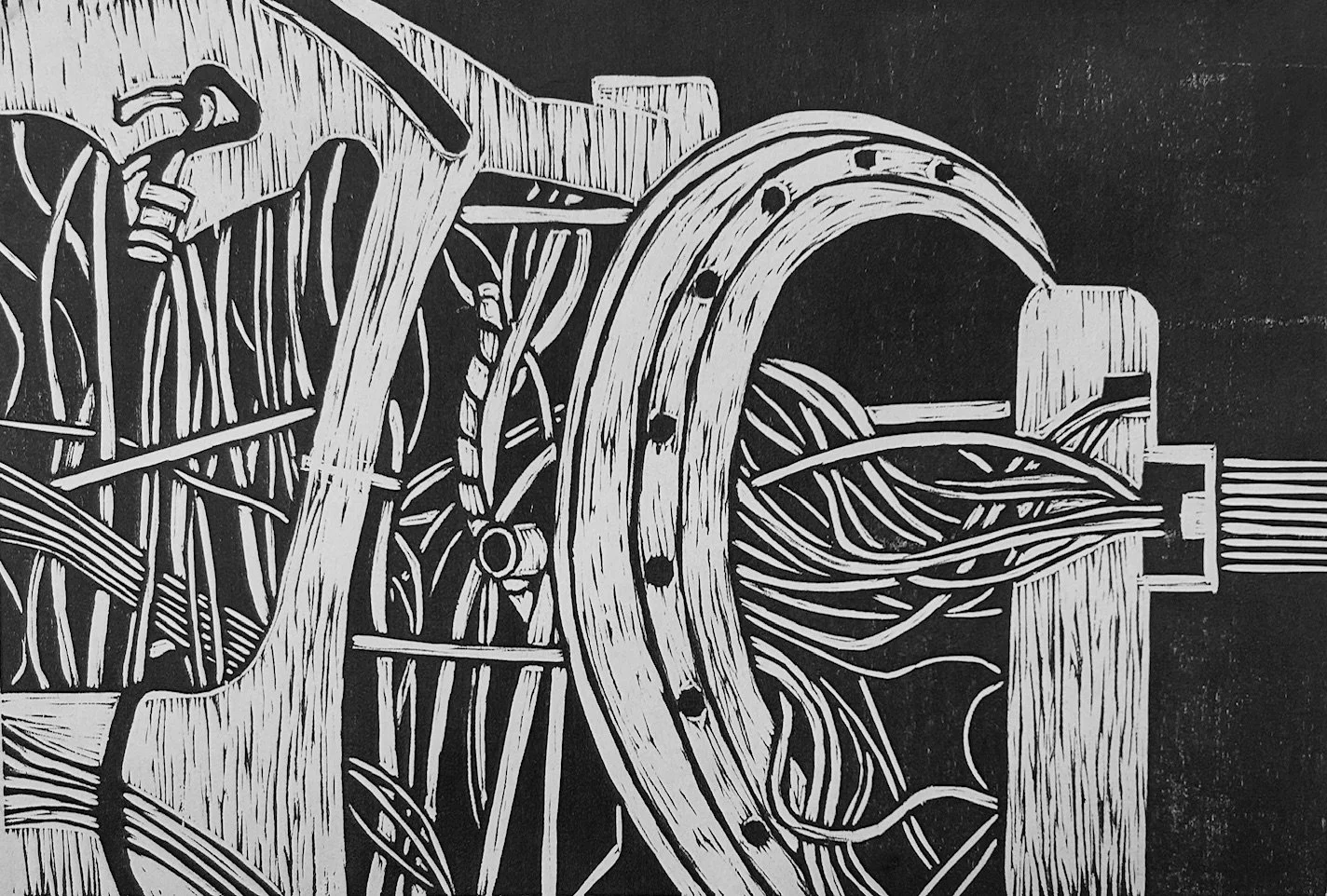
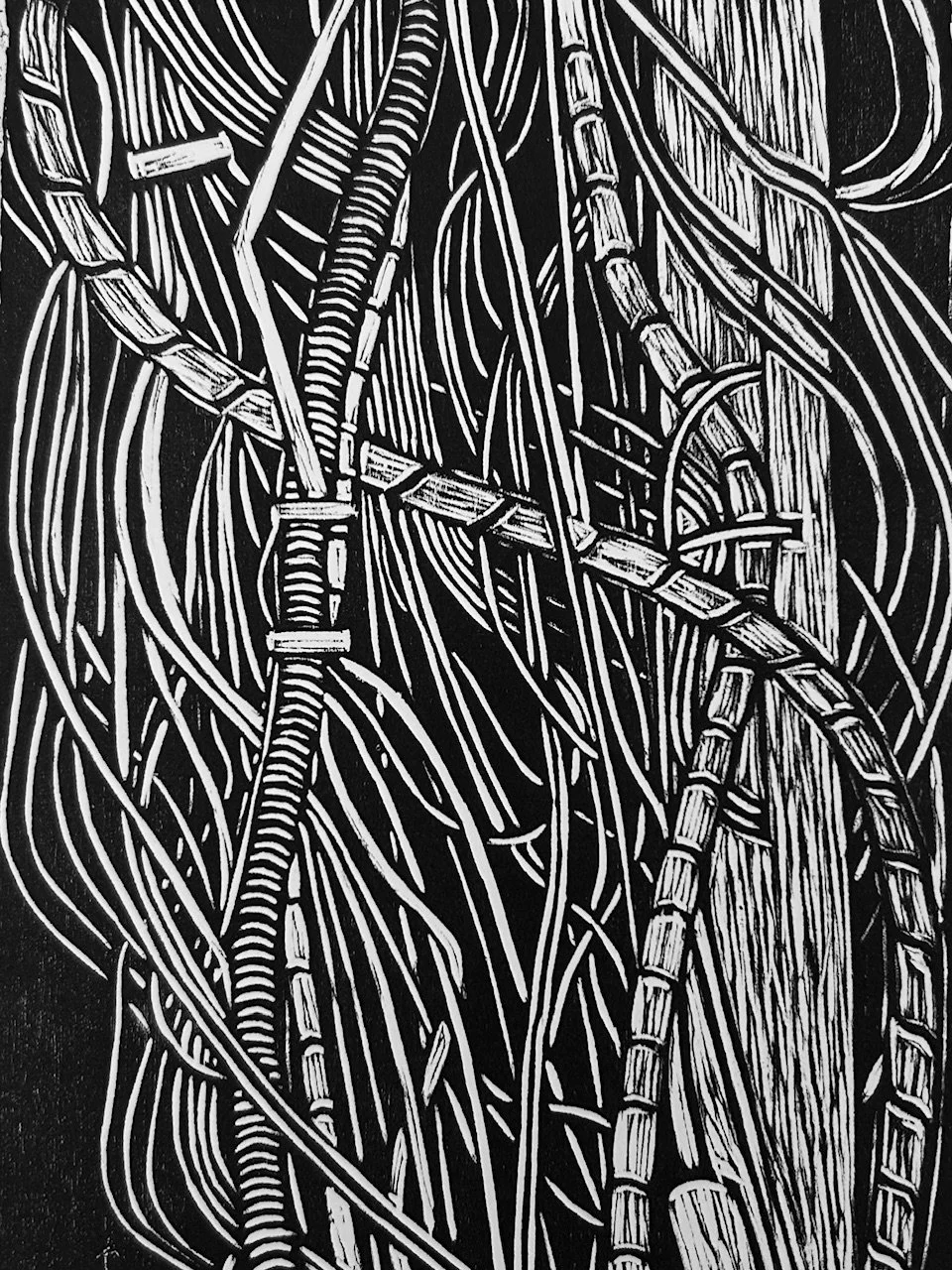
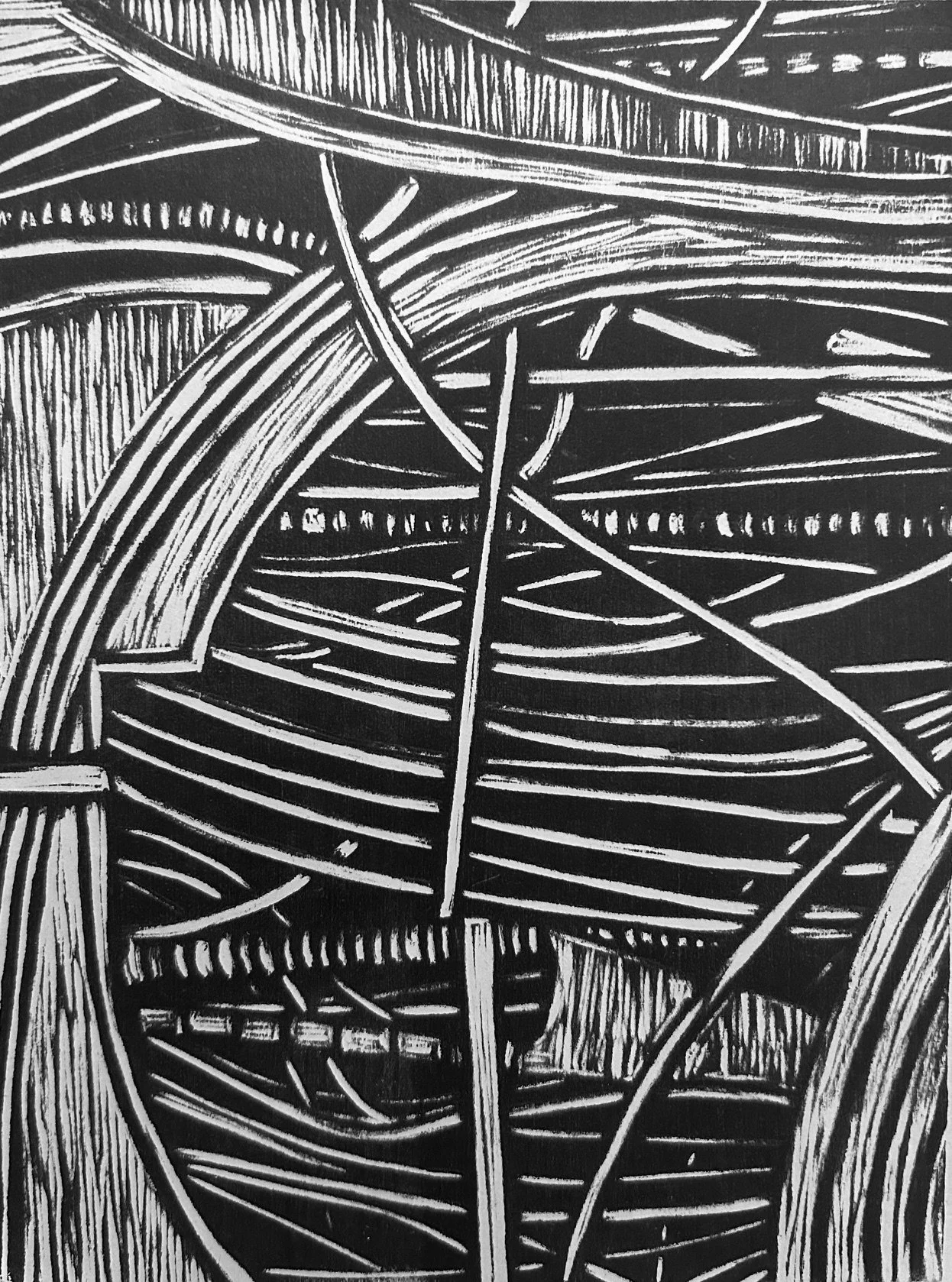
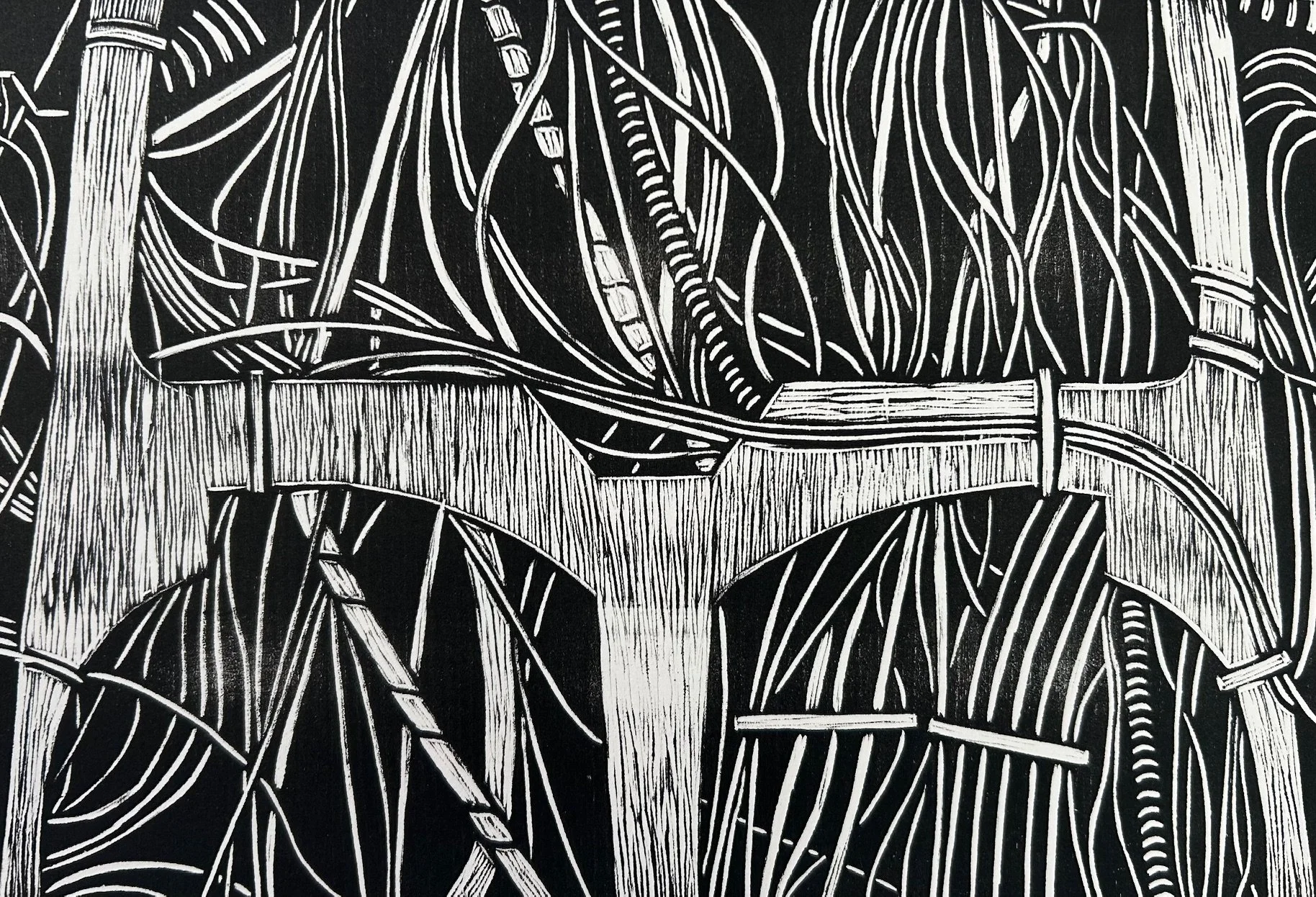
This balance is central to how I make work. I often begin graphite drawings with a grid or mathematical structure, using division and repetition to establish order. As the process unfolds, I introduce subtle disruptions such as shifts in spacing, irregular marks, or accumulations that exceed the original system. Introducing relief printmaking into my practice reinforces this approach, as it limits revision and requires continuous forward movement. Each decision remains visible, and the work records its own development over time. The resulting images are precise but not fixed, shaped as much by deviation as by intention.
Through this process, I now understand control as an ongoing, embodied negotiation. My work resists the idea that stability comes from perfection, suggesting instead that resilience emerges through adaptation, variation, and sustained attention. Structure remains essential, but it no longer functions as a constraint. It becomes a framework that supports change. By bringing together analytical systems and intuitive responses, I create work that exists between order and instability, where control is not imposed, but continuously redefined.